
- Home
- Sustainable design
- Sustainable Water Activities

Sustainable Water Activities
Why choose sustainable water activities?
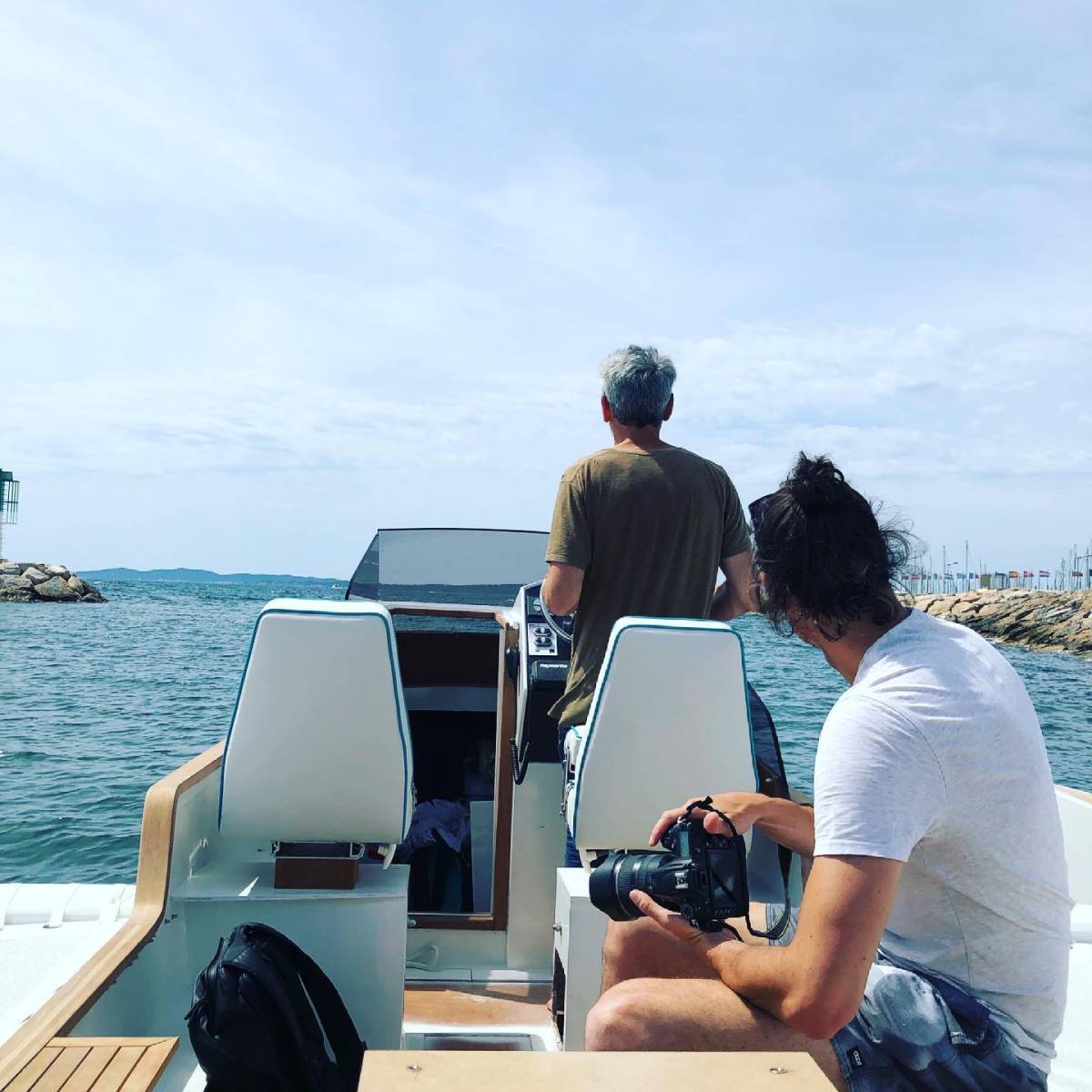
At Orphie Boats, we understand the crucial importance of preserving marine ecosystems. Our electric boats minimize pollution and noise, offering serene and environmentally respectful navigation.
Opting for sustainable water activities is essential for protecting marine ecosystems and preserving biodiversity. By respecting distances from marine wildlife and avoiding sensitive areas, we reduce disturbances for animals and plants.
Our electric boats also help reduce water and air pollution, providing a cleaner and healthier environment for all. Moreover, these practices promote awareness and education about the importance of ocean protection while allowing for unique and enriching experiences, such as marine wildlife observation and silent navigation.
With Orphie Boats, you can enjoy the pleasures of the sea while actively contributing to the preservation of our marine environment.
Electric boats suited for all types of water activities
Whether it's for fishing, scuba diving, or marine wildlife observation, our electric boats ensure a serene experience on the water, in harmony with nature.
SUSTAINABLE FISHING PRACTICES
Practicing low-impact angling is a choice aimed at preserving the delicate harmony of marine ecosystems. Discover how to engage in this activity without endangering marine biodiversity. It's important to research fishing zones beforehand.
Adhering to quotas, minimum sizes, and prohibited species
Stay informed about regulations governing catch quotas and minimum sizes, as they are subject to change.
For instance, bluefin tuna is subject to strict quotas due to overfishing in the past.
Fishermen must adhere to minimum catch sizes and annual quotas that vary to protect this endangered species.
Prefer the use of barbless hooks
Barbless hooks minimize injuries to fish and make their release easier. By reducing stress and damage, these hooks increase the survival chances of released fish, promoting their ability to reproduce and contribute to the sustainability of populations.
Choosing the fishing location
Avoid fishing in spawning or breeding areas to avoid disrupting the life cycle of species. Instead, opt for less frequented fishing spots where fish populations are abundant and stable. It's also essential to consider protected areas and, most importantly, to contact the interregional sea directorate that governs the desired fishing zone to stay updated on local regulations and designated zones.
SNORKELLING
If you're passionate about exploring the underwater world, scuba diving is an essential activity. However, it's crucial to preserve the beauty and health of our marine ecosystems. In this section, we offer practical tips for fully enjoying your dive while respecting the environment.
Do not touch corals or marine animals
When diving in coral reefs, it's essential not to touch corals or marine creatures. Corals are highly fragile organisms, and their structure can be damaged by the slightest touch. Even a gentle touch can destroy coral polyps, affecting their ability to grow and reproduce.
Marine animals, such as fish, turtles, and anemones, should also be observed without being touched. Disturbing these creatures can cause stress, alter their natural behavior, and harm their health. For example, touching a sea turtle can disorient it and affect its nesting behavior.
Controlling your movements
During snorkeling, it's crucial to handle delicately to preserve fragile underwater ecosystems. Using only a mask and snorkel, it's important to maintain a stable position in the water to avoid damaging delicate habitats.
A good practice is to swim gently and avoid sudden movements. Swimmers should ensure not to touch the seafloor with their fins, hands, or any other equipment. Corals, in particular, are extremely sensitive and can be easily broken or stressed, leading to bleaching or death.
Underwater environments host rich and unique biodiversity, including delicate corals, seagrass beds, and numerous species of fish and invertebrates. Even a slight mismanaged fin kick can cause irreversible damage to these habitats.
By remaining aware of their surroundings and respecting marine ecosystems, snorkelers can minimize their impact and contribute to the preservation of these precious habitats for future generations
Using biodegradable sunscreens
When diving in the water, it's essential to use biodegradable sunscreens to protect sensitive coral reefs.
Traditional sunscreens contain harmful ingredients such as oxybenzone and octinoxate. These chemicals can cause coral bleaching, a condition in which corals expel the symbiotic algae necessary for their survival, weakening them and potentially leading to their death.
By choosing biodegradable sunscreens, you actively contribute to the protection of marine ecosystems and the preservation of coral reefs for future generations.
MARINE WILDLIFE OBSERVATION
Observing marine fauna and flora up close is a magical experience, but it must be approached with respect and responsibility. This fragile ecosystem deserves to be admired without disturbance. In this section, we offer tips for observing marine species while ensuring their well-being and the preservation of their natural habitat.
Maintain a respectful distance
When observing whales, for example, it's crucial to maintain a minimum distance of 50 meters to avoid disturbing these marine giants. Whales, like many other cetacean species, are sensitive to human disturbances.
The 50-meter distance is established for several reasons. Firstly, it reduces the risk of collision between boats and whales, ensuring the safety of both animals and observers.
Despite their massive size, whales can feel threatened or stressed by the proximity of boats, leading them to alter their natural behavior, particularly concerning feeding, migration, and reproduction.
Boat engines and associated noises can disrupt whales, which rely on sound for navigation, communication, and locating food. Artificial sounds can mask whales' acoustic signals, making communication difficult and disrupting their social behavior. Hence, the importance of choosing very gentle and silent electric propulsion compared to a conventional engine.
Do not feed animals
When observing marine animals, especially off the coast of Hawaii, it's crucial not to feed them. This practice can disrupt their natural feeding habits, alter their foraging behaviors, lead to aggressive behaviors, disturb social interactions among dolphins, and even affect the ecological balance of the marine ecosystem.
By respecting this rule, we preserve the health and well-being of dolphins while maintaining respectful and natural interactions between humans and these marine animals.